
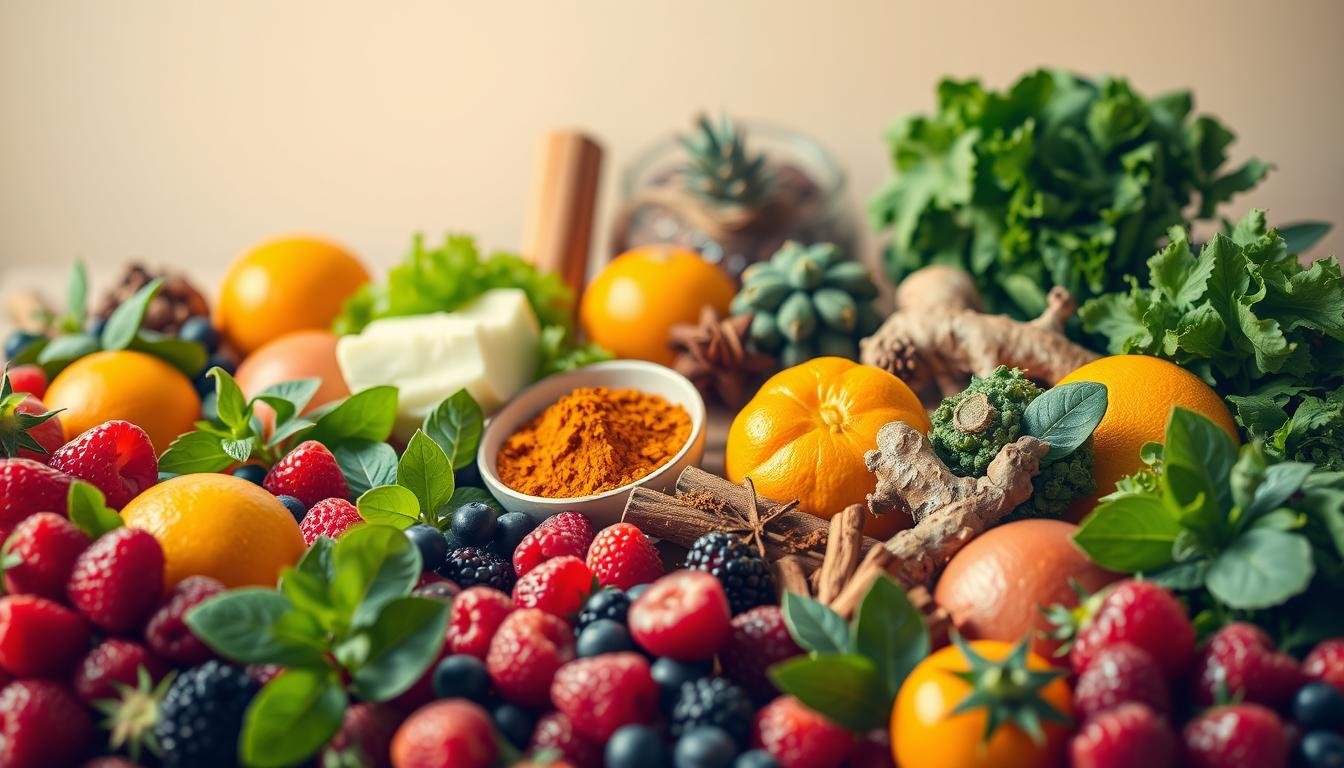

Are antioxidants the missing key to unlocking a significant health boost in your daily life? With the increasing interest in wellness, understanding the benefits of these powerful compounds is more important than ever. What exactly makes beneficial antioxidants a cornerstone of a healthy lifestyle, and how can they influence your well-being? Dive into this guide to uncover the secrets behind the antioxidants benefits that could transform your health.

Key Takeaways
- Antioxidants play a key role in neutralizing harmful free radicals in the body.
- Eating foods rich in antioxidants can help fight oxidative stress and inflammation.
- Antioxidants can also benefit the skin, potentially slowing down aging and improving skin health.
- Fruits, vegetables, nuts, seeds, and other plant-based sources are excellent providers of natural antioxidants.
- Knowing how cooking affects antioxidant levels can help you get the most from them.
What Are Antioxidants?
Antioxidants are special molecules that stop other molecules from getting damaged. They help keep our cells healthy and strong. They fight off oxidative stress, which is linked to many chronic diseases.
Understanding Antioxidant Properties
Antioxidants work by stopping free radicals, which are harmful molecules. They do this by giving up an electron, which stops the damage. This is why eating antioxidants is good for us, as they protect our cells.
Importance of Antioxidants in the Body
Antioxidants are key to keeping our cells working right. They boost our immune system, reduce inflammation, and fight off diseases like cancer and heart disease. They also help our skin stay healthy and slow down aging.
The Role of Free Radicals
Free radicals are key players in our health, but they’re not always well understood. These unstable molecules can affect our bodies in many ways, mainly through oxidative stress.
How Free Radicals Affect Health
Our bodies naturally make free radicals as part of our metabolism. But too many can harm our cells, proteins, and DNA. This harm can lead to chronic inflammation, heart disease, and some cancers.
Sources of Free Radicals
Knowing where free radicals come from is important to fight their harm. They can come from inside us, like during inflammation, or from outside, like pollution and tobacco smoke. Even what we eat can add to the problem, with processed foods and alcohol being culprits.
Health Benefits of Antioxidants
Exploring the health benefits of antioxidants shows how vital they are for our well-being. They fight oxidative stress and reduce inflammation. This makes them key to our health every day.
Combating Oxidative Stress
Oxidative stress happens when free radicals outnumber antioxidants in our body. Antioxidants play a huge role by fighting off these free radicals. This helps protect our cells and prevents chronic diseases.
Reducing Inflammation
Antioxidants also help lower inflammation in our body. Chronic inflammation can lead to heart disease, diabetes, and arthritis. By fighting free radicals, antioxidants reduce inflammation. This improves our health and helps prevent diseases.
Antioxidants and Aging
As we get older, our bodies make fewer antioxidants. This makes us more open to oxidative stress and related issues. Eating foods high in antioxidants can slow aging and boost health.
How Antioxidants Slow Down Aging
Antioxidants fight off free radicals, unstable molecules that speed up aging. They keep cells healthy and lower the chance of age-related diseases. Eating a diet full of antioxidants can slow aging and improve life quality.
Protecting Skin Health
Antioxidants also protect our skin. They shield it from damage like UV rays and pollution, which cause early aging. Vitamins C and E are great for the skin, helping it stay young and smooth. Adding foods rich in antioxidants to your diet can keep your skin looking vibrant.
Natural Sources of Antioxidants
Antioxidants are key to keeping our bodies healthy by fighting off free radicals. Eating foods rich in antioxidants can boost our health. Let’s look at some of the best plant-based antioxidants found in different foods.
Fruits and Vegetables
Fruits and veggies are full of antioxidants that protect our cells. Berries like blueberries, strawberries, and raspberries are packed with antioxidants. Spinach, kale, and broccoli also have important antioxidants for our health.
Nuts and Seeds
Nuts and seeds are great for antioxidants too. Almonds, walnuts, and sunflower seeds have vitamin E and other antioxidants. Eating a mix of nuts and seeds helps us get all the nutrients we need.
Other Plant-Based Sources
Green tea, dark chocolate, and some herbs are also full of antioxidants. Green tea has catechins, which are good for our health. Dark chocolate, eaten in small amounts, has flavonoids that help our heart.
Antioxidant-Rich Foods to Include in Your Diet
Eating foods high in antioxidants is a great way to keep your health in check. These foods fight oxidative stress and might help prevent chronic diseases.

Superfoods Packed with Antioxidants
Superfoods are full of nutrients and antioxidants. Berries like blueberries, strawberries, and raspberries are loaded with them. Dark leafy greens and nuts like walnuts and pecans also offer a lot of antioxidants.
You can add these superfoods to smoothies, salads, and snacks. They make your meals both tasty and healthy.
Daily Antioxidant Intake Recommendations
It’s important to follow daily antioxidant intake guidelines. Everyone’s needs are different, but eating a variety of antioxidant-rich foods helps. Try to eat at least five servings of fruits and vegetables daily.
Choose colorful produce to get a wide range of antioxidants. Following these guidelines can improve your health and well-being through your diet.
Impact of Cooking on Antioxidant Levels
The impact of cooking on antioxidants changes a lot depending on the food and cooking method. Some foods lose antioxidants when heated, while others gain more. Knowing how cooking affects antioxidants is key to keeping your meals nutritious.
Foods That Lose Antioxidants When Cooked
Many foods with antioxidants lose these benefits when heated. Broccoli and Brussels sprouts, for example, lose antioxidants when boiled or microwaved. Strawberries and kiwis also lose antioxidants when cooked at high temperatures.
Foods That Gain Antioxidants When Cooked
But, some foods actually gain more antioxidants when cooked. Tomatoes, for instance, get more lycopene—a strong antioxidant—when cooked. Carrots and spinach also get more beta-carotene when cooked, thanks to the breakdown of cell walls.
Antioxidant Supplements: Do You Need Them?
Antioxidant supplements are popular among those who want to improve their health. But do you really need them? Knowing the good and bad about these supplements can guide your choice.
Benefits of Antioxidant Supplements
Antioxidant supplements fight oxidative stress. They include vitamins C and E, selenium, and beta-carotene. These can protect cells and boost the immune system. People use them when their diet lacks these nutrients.
Risks and Considerations
Despite their benefits, antioxidant supplements can have downsides. High doses might affect medications and increase cancer risk. Always talk to a doctor before starting supplements to stay safe.
Antioxidants in Skincare
In recent years, antioxidants in skincare have gained popularity. They help rejuvenate and protect the skin from environmental stressors. Topical products, like serums and creams, contain these powerful compounds.

Topical Antioxidant Products
Antioxidants come in many forms, including serums, creams, and lotions. Brands like SkinCeuticals and Paula’s Choice offer products with Vitamin C, Vitamin E, and Ferulic Acid. Adding these to your skincare routine can fight free radicals and prevent aging.
Benefits for Skin Health
Antioxidants in skincare offer many benefits. They prevent wrinkles, improve skin elasticity, and even out skin tone. They also reduce inflammation and support the skin’s repair processes, leading to a healthier, brighter complexion.
Integrating Antioxidants into Your Lifestyle
Adding antioxidants to your daily life can greatly improve your health. By making smart food choices and simple habits, you can increase the antioxidants your body gets.
Dietary Changes
Eating a variety of fruits and veggies is key to getting more antioxidants. Blueberries, spinach, and kale are great choices. Also, adding nuts and seeds like almonds and sunflower seeds can help.
Daily Habits for Maximizing Antioxidant Intake
There are also daily habits that boost antioxidant intake. Start with a smoothie full of berries, leafy greens, and seeds. Drinking green tea daily is another good move. Using fresh herbs and spices like turmeric and ginger in your cooking is also beneficial.
Antioxidants and Disease Prevention
In today’s world, antioxidants play a huge role in keeping us healthy. Studies show they help prevent diseases and boost our well-being. Eating foods rich in antioxidants can shield our bodies from many health issues.
Cardiovascular Health
Antioxidants are key for heart health. They fight oxidative stress and inflammation, which can harm the heart. Eating foods like berries, dark chocolate, and green tea can improve heart function and lower blood pressure.
Reducing Cancer Risk
Research is ongoing on how antioxidants can lower cancer risk. They neutralize free radicals, which can damage cells and lead to cancer. Eating foods like cruciferous veggies, nuts, and fruits can help reduce cancer risk.
Improving Cognitive Function
Antioxidants also play a role in brain health. They protect brain cells from damage and may improve memory and thinking. Foods like walnuts, blueberries, and leafy greens are great for brain health.
Adding antioxidants to your diet can prevent diseases, improve heart health, and boost brain function. Making smart food choices can greatly improve your health and well-being.
Conclusion
In conclusion, knowing the benefits of antioxidants is key to staying healthy. Antioxidants fight free radicals, which can harm cells and lead to diseases. They are vital for our health.
Adopting a comprehensive antioxidant approach helps fight oxidative stress and slow aging. Eating foods rich in antioxidants like fruits, veggies, nuts, and seeds is important. Also, be aware of how cooking affects these nutrients.
There are many ways to maintain health with antioxidants. You can change your diet, pick the right skincare, or use supplements. A balanced lifestyle with antioxidants can greatly improve your health and protect against diseases.
FAQ
What are antioxidants?
Antioxidants stop oxidation, a reaction that can damage cells. They help keep the body healthy and protect it from harm.
What are the antioxidant properties?
Antioxidants fight free radicals and prevent cell damage. They protect cells, reduce inflammation, and boost the immune system.
Why are antioxidants important in the body?
Antioxidants fight oxidative stress and lower disease risk. They protect cells from damage and support health.
How do free radicals affect health?
Free radicals harm cells, proteins, and DNA. This can lead to diseases like cancer and heart problems.
What are the sources of free radicals?
Free radicals come from inside and outside the body. Internal sources include metabolism. External sources include pollution and tobacco smoke.
How do antioxidants combat oxidative stress?
Antioxidants neutralize free radicals by donating an electron. This stops cell damage and reduces stress.
Can antioxidants reduce inflammation?
Yes, antioxidants can reduce inflammation. They neutralize free radicals and lower oxidative stress.
How do antioxidants slow down aging?
Antioxidants protect cells from free radical damage. This keeps cells healthy, reduces inflammation, and slows aging.
How do antioxidants protect skin health?
Antioxidants shield the skin from UV radiation and pollution. They reduce wrinkles and improve skin health.
What are natural sources of antioxidants?
Antioxidants are found in fruits, vegetables, nuts, and whole grains. These foods are rich in vitamins and minerals.
What fruits and vegetables are high in antioxidants?
Berries, oranges, apples, spinach, kale, and sweet potatoes are high in antioxidants. They support overall health.
How do nuts and seeds contribute to antioxidant intake?
Nuts and seeds are rich in vitamin E and selenium. They protect cells and support health.
What other plant-based sources are rich in antioxidants?
Legumes, herbs like turmeric, and beverages like green tea are also rich in antioxidants. They offer health benefits.
Which superfoods are packed with antioxidants?
Blueberries, goji berries, dark chocolate, and green tea are packed with antioxidants. They provide health benefits.
What is the recommended daily intake of antioxidants?
There’s no specific daily intake for antioxidants. Eating a variety of antioxidant-rich foods is key to health.
Which foods lose antioxidants when cooked?
Broccoli, spinach, and peppers lose antioxidants when cooked at high temperatures. Steaming or sautéing helps retain antioxidants.
Which foods gain antioxidants when cooked?
Tomatoes and carrots gain antioxidants when cooked. Cooking tomatoes increases lycopene, a powerful antioxidant.
What are the benefits of antioxidant supplements?
Antioxidant supplements provide extra antioxidants when diet is lacking. They support health, reduce stress, and boost immunity.
What are the risks and considerations of taking antioxidant supplements?
Taking too many supplements can harm the body. Always consult a healthcare provider before starting supplements.
What are topical antioxidant products?
Topical antioxidant products are skincare items with antioxidants like vitamin C and retinol. They protect and rejuvenate the skin.
How do topical antioxidants benefit skin health?
Topical antioxidants protect the skin from damage, reduce aging signs, and improve texture. They enhance skin health and appearance.
What dietary changes can increase antioxidant intake?
Eating more fruits, vegetables, nuts, seeds, and whole grains boosts antioxidants. A colorful diet ensures a variety of antioxidants.
What daily habits can help maximize antioxidant intake?
Eating a balanced diet, staying hydrated, avoiding pollutants, and using skincare products with antioxidants can maximize intake. These habits protect health.
How do antioxidants support cardiovascular health?
Antioxidants reduce oxidative stress, inflammation, and improve cholesterol. These actions lower heart disease risk.
Can antioxidants reduce the risk of cancer?
Antioxidants protect cells from DNA damage, which can lower cancer risk. A diet rich in antioxidants may help prevent certain cancers.
How do antioxidants improve cognitive function?
Antioxidants protect brain cells from damage, reducing neurodegenerative disease risk. They support brain health and function.