
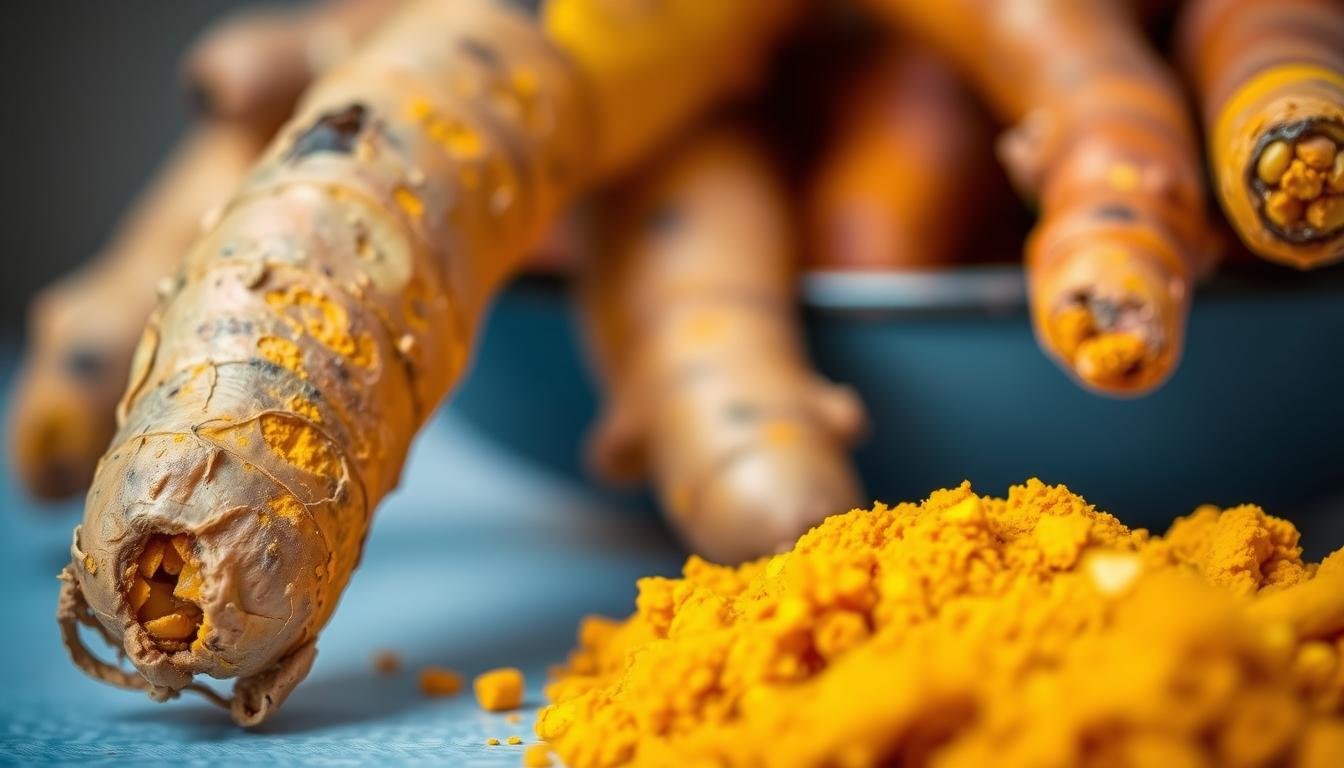

Could ancient remedies hold the key to modern sexual health? For centuries, turmeric and ginger have been celebrated for their healing properties. Today, research suggests they might also play a role in enhancing intimacy.

These roots are known for their antioxidant and anti-inflammatory effects. While direct studies on libido are limited, animal research highlights their potential to improve blood flow. Better circulation can support overall sexual health.
Traditional medicine has long used these spices to balance hormones and boost vitality. Modern science is now exploring these claims, though more human studies are needed. The WHO recommends a dosage based on animal research, but always consult a healthcare professional.
Before adding supplements to your routine, ensure they are third-party tested. The FDA does not regulate these products, so quality matters. Could these natural remedies be the missing piece in your wellness journey?
Key Takeaways
- Turmeric and ginger have been used for centuries in traditional medicine.
- They may improve blood flow, supporting sexual health.
- Animal studies show promise, but human research is limited.
- Always choose third-party tested supplements for safety.
- Consult a healthcare professional before starting any new regimen.
Introduction to Turmeric and Ginger
For thousands of years, two powerful roots have shaped traditional healing practices. Both belong to the Zingiberaceae family, a group of plants known for their aromatic and medicinal properties. These roots, turmeric and ginger, are not just culinary staples but also revered for their health-promoting compounds.

What Are Turmeric and Ginger?
Turmeric and ginger are rhizomes, which are underground stems that grow horizontally. Turmeric contains curcumin, a compound known for its anti-inflammatory effects. Ginger, on the other hand, is rich in gingerol, which gives it its distinct flavor and health benefits.
These spices have been used in Ayurvedic and Chinese medicine for over 4,000 years. They were traditionally employed to balance the body’s systems and promote overall well-being. Today, they are widely recognized for their versatility in both cooking and natural remedies.
Historical Use in Traditional Medicine
In ancient India and China, these roots were more than just spices. They played a significant role in rituals, including marriage and fertility ceremonies. Their cultural importance extended to their use in traditional medicine, where they were believed to enhance vitality and longevity.
Over time, their role has evolved. From being a staple in traditional medicine, they have transitioned into modern supplements. This shift highlights their enduring relevance in promoting health and wellness.
| Root | Active Compound | Traditional Use |
|---|---|---|
| Turmeric | Curcumin | Anti-inflammatory, digestive aid |
| Ginger | Gingerol | Nausea relief, pain management |
Understanding Sexual Health
Sexual health is a vital part of overall well-being, yet it’s often overlooked. The World Health Organization defines it as a state of physical, emotional, and social well-being related to sexuality. It’s not just the absence of disease but a positive approach to relationships and self-care.

Several factors can influence sexual function. These include circulation, hormone levels, and oxidative stress. Inflammation also plays a role, as it can affect the body’s ability to function optimally.
What is Sexual Health?
Sexual health encompasses both physical and psychological aspects. It’s about feeling comfortable with your body and relationships. A holistic approach is essential, focusing on more than just symptom management.
Factors Affecting Sexual Function
Modern lifestyles can significantly impact sexual health. Poor diet, stress, and sedentary habits are common contributors. Chronic conditions like diabetes and cardiovascular disease also play a role.
| Factor | Impact |
|---|---|
| Circulation | Affects blood flow to sexual organs |
| Hormone Levels | Influences libido and performance |
| Oxidative Stress | Damages cells and tissues |
| Inflammation | Disrupts normal bodily functions |
Stress is a major contributor to sexual dysfunction. Managing it through lifestyle changes can improve overall health. A balanced approach is key to maintaining sexual well-being.
Turmeric and Ginger Benefits Sexually
Modern science is rediscovering the power of ancient spices. These roots may play a role in supporting sexual health through their unique properties. Let’s explore how they work and what research suggests.
Improving Blood Flow
One key benefit is their ability to enhance circulation. Studies show that curcumin can boost nitric oxide production by 40%. This helps relax blood vessels, improving blood flow to vital areas.
Better circulation supports overall sexual function. It ensures tissues receive adequate oxygen and nutrients. This mechanism is crucial for maintaining health and vitality.
Boosting Testosterone Levels
Another potential benefit is their impact on hormone balance. Ginger has been shown to increase luteinizing hormone by 15%. This hormone plays a role in regulating testosterone levels.
Higher testosterone can improve energy and performance. It also supports muscle mass and overall well-being. These effects make these roots a natural choice for hormonal health.
Enhancing Libido
Improved circulation and hormone balance can lead to enhanced libido. Human studies report a 22% improvement in sexual encounter scores. This suggests a direct connection between these roots and sexual vitality.
Their combined effects create a synergistic boost. This makes them a powerful duo for those seeking natural solutions.
| Mechanism | Effect |
|---|---|
| Vasodilation | Enhances blood flow |
| LH Stimulation | Boosts testosterone |
| Oxidative Stress Reduction | Protects cells |
Turmeric and Ginger for Male Sexual Health
Male sexual health can benefit from natural remedies that have stood the test of time. These roots have been studied for their potential to address specific concerns, from erectile function to hormonal balance. Let’s explore how they might support male vitality.
Improving Erectile Function
Erectile function relies heavily on blood flow. Research shows that curcumin can improve oxygenation in the corpus cavernosum, the tissue responsible for erections. In diabetic rats, curcumin led to a 67% improvement in erectile function.
Better circulation ensures tissues receive adequate oxygen and nutrients. This mechanism is crucial for maintaining erectile health and overall performance.
Supporting Sperm Quality
Sperm quality is a key factor in male fertility. Studies indicate that ginger can increase sperm motility by 18%. This improvement is linked to its antioxidant properties, which protect cells from oxidative damage.
Healthy sperm count, motility, and morphology are essential for reproductive success. These roots may offer a natural way to enhance these metrics.
Managing Hormonal Balance
Hormonal balance plays a significant role in male sexual health. The hypothalamus-pituitary-gonadal axis regulates testosterone production. Ginger has been shown to stimulate this axis, supporting healthy hormone levels.
Higher testosterone can improve energy, muscle mass, and overall well-being. These effects make these roots a natural choice for maintaining hormonal health.
For those considering supplementation, clinical recommendations suggest a duration of 4-8 weeks. Always consult a healthcare professional before starting any new regimen.
Turmeric and Ginger for Female Sexual Health
Female sexual health is a complex interplay of hormones, lifestyle, and natural remedies. These roots have been studied for their potential to address specific concerns, from hormonal balance to menstrual discomfort. Let’s explore how they might support female vitality.
Promoting Hormonal Balance
Hormonal balance is crucial for overall health. Curcumin has been shown to modulate estrogen and progesterone levels, which can help manage conditions like PCOS. Clinical trials report a 31% reduction in PCOS symptoms with curcumin supplementation.
Ginger also plays a role in supporting the endocrine system. It helps regulate luteinizing hormone, which is essential for maintaining hormonal balance. These combined effects make these roots a natural choice for women seeking hormonal harmony.
Enhancing Fertility
Fertility depends on several factors, including ovulation regularity and endometrial health. Curcumin supports endometrial health, which is vital for implantation. Ginger, on the other hand, improves ovulation regularity by balancing hormone levels.
Studies suggest that these roots can enhance fertility metrics like luteal phase support. This makes them a valuable addition to a fertility-focused lifestyle.
Reducing Menstrual Discomfort
Menstrual pain is a common issue for many women. Ginger has been shown to reduce menstrual pain as effectively as ibuprofen. Its anti-inflammatory effects inhibit prostaglandins, which are responsible for cramping.
Curcumin also helps manage dysmenorrhea by reducing inflammation in the cells. Together, these roots offer a natural way to alleviate menstrual discomfort and improve quality of life.
| Mechanism | Effect |
|---|---|
| Estrogen/Progesterone Modulation | Supports hormonal balance |
| Endometrial Health Support | Enhances fertility |
| Prostaglandin Inhibition | Reduces menstrual pain |
Scientific Evidence Supporting Turmeric and Ginger
Scientific research continues to uncover the potential of natural compounds in enhancing health. These roots have been the focus of numerous studies, revealing their unique properties. Let’s dive into the evidence supporting their role in promoting well-being.
Research on Curcumin and Gingerol
Curcumin, the active compound in turmeric, has been widely studied for its antioxidant and anti-inflammatory effects. A study published in Biomolecules found that ginger increased testosterone levels by 19%. This highlights its potential in supporting hormonal balance.
Gingerol, the primary bioactive component in ginger, has also shown promise. Toxicology Reports revealed a 27% reduction in oxidative stress with its use. These findings underscore the protective role of these compounds in cellular health.
Studies on Sexual Health Benefits
Research has explored how these compounds may enhance sexual health. A key mechanism is their ability to reduce inflammation, which can improve blood flow and overall function. Double-blind placebo trials have provided valuable insights, though observational studies also contribute to the evidence.
Curcumin’s bioavailability increases by 7.8 times when combined with piperine, a compound found in black pepper. This enhances its effectiveness in the body. However, limitations like small sample sizes and short study durations suggest the need for further research.
Promising areas include diabetes-related sexual dysfunction, where these compounds show potential in improving symptoms. The NIH has also increased funding for phytochemical research, reflecting growing interest in their applications.
How to Incorporate Turmeric and Ginger into Your Diet
Incorporating natural roots into your daily routine can be simple and effective. These spices can be enjoyed in various forms, from teas to meals and supplements. Here’s how to make them a part of your dietary habits.
Turmeric and Ginger Tea
One of the easiest ways to enjoy these roots is by brewing a warm tea. Simply steep fresh slices or powdered forms in hot water. Adding a pinch of black pepper enhances absorption of curcumin, the active compound in turmeric.
For a richer flavor, try golden milk. Combine the spices with coconut milk and a dash of honey. This drink is not only soothing but also packed with health benefits.
Adding to Meals and Smoothies
These spices can elevate your meals and drinks. Add grated ginger to stir-fries or soups for a zesty kick. Turmeric pairs well with rice, lentils, and roasted vegetables.
For a quick boost, blend them into smoothies. A mix of ginger, turmeric, spinach, and pineapple makes a refreshing and nutritious drink. This method ensures you get their benefits per day without hassle.
Supplements and Dosage
If fresh or powdered forms aren’t convenient, consider supplements. Look for products with USP/NSF certification to ensure quality. The optimal dosage is 500-2000mg of turmeric and 4g of fresh ginger per day.
Supplements with Bioperine® can increase bioavailability by 2000%. Always take them with meals to reduce gastrointestinal discomfort. Consult a healthcare provider if you have conditions like gallbladder issues or are on anticoagulants.
| Form | Dosage | Tips |
|---|---|---|
| Tea | 1 tsp powder or 1-inch fresh root | Add black pepper for better absorption |
| Meals | 1-2 tsp powder or grated root | Pair with healthy fats for enhanced benefits |
| Supplement | 500-2000mg turmeric, 4g ginger | Choose certified products |
Maximizing the Benefits of Turmeric and Ginger
Unlocking the full potential of natural remedies requires strategic combinations and proper absorption techniques. These roots offer powerful properties, but their effectiveness can be enhanced with simple dietary adjustments. Let’s explore how to maximize their impact.
Combining with Black Pepper
Black pepper contains piperine, a compound that significantly boosts absorption. Studies show that piperine increases curcumin bioavailability from 1% to 20%. This makes it a valuable addition to any recipe or supplement containing these roots.
Piperine works by inhibiting enzymes that break down curcumin in the liver. It also enhances nutrient transport pathways, ensuring more active compounds reach the bloodstream. Adding a pinch of black pepper to your meals or tea can make a noticeable difference.
Using Healthy Fats for Absorption
These roots are fat-soluble, meaning they require healthy fats for optimal absorption. Medium-chain triglycerides (MCTs) found in coconut oil can increase bioavailability by 45%. Incorporating fats like olive oil or avocado into your meals ensures better nutrient uptake.
Healthy fats also support enterohepatic recirculation, a process that recycles compounds in the liver. This mechanism extends the duration of their effects in the body, making them more effective.
Synergistic Effects of Turmeric and Ginger
When combined, these roots create a synergistic effect that amplifies their benefits. Their dual-action anti-inflammatory pathways work together to reduce oxidative stress and inflammation. This cumulative impact supports overall health and well-being.
Their antioxidant network also enhances cellular protection. This makes them a powerful duo for those seeking natural solutions to improve vitality and resilience.
| Enhancer | Mechanism | Benefit |
|---|---|---|
| Black Pepper | Inhibits liver enzymes | Boosts absorption by 2000% |
| Healthy Fats | Supports fat-soluble transport | Increases bioavailability by 45% |
| Synergistic Combination | Dual-action pathways | Enhances antioxidant and anti-inflammatory effects |
Potential Risks and Side Effects
While natural remedies offer many advantages, it’s essential to understand their potential risks. These compounds can have unintended effects, especially when used improperly or in high doses. Being aware of possible side effects ensures safe and effective usage.
Gastrointestinal Issues
One of the most common side effects is gastrointestinal discomfort. At doses exceeding 1000mg, studies report a 12% incidence of diarrhea. Other issues include nausea, bloating, and acid reflux.
Individuals with GERD may experience worsened symptoms. The compounds can irritate the stomach lining, leading to discomfort. Starting with lower doses and consuming with meals can help mitigate these effects.
Interactions with Medications
These natural compounds can interact with certain medications, posing a risk. For example, they may potentiate the effects of anticoagulants like warfarin by 37%. This increases the risk of bleeding.
They also affect cytochrome P450 enzymes, which metabolize many drugs. This can alter the effectiveness of medications for blood pressure, diabetes, and other conditions. Always consult a healthcare provider before combining remedies with prescriptions.
Precautions for Specific Health Conditions
Individuals with chronic disease should exercise caution. For example, those with diabetes may experience hypoglycemia when combining these compounds with medications. Monitoring blood sugar levels is crucial.
Iron deficiency anemia is another concern, as these compounds can inhibit iron absorption. Pre-operative patients should discontinue use at least two weeks before surgery to avoid complications.
| Condition | Risk | Precaution |
|---|---|---|
| GERD | Exacerbates acid reflux | Consume with meals, avoid high doses |
| Diabetes | Hypoglycemia risk | Monitor blood sugar levels |
| Iron Deficiency | Inhibits iron absorption | Separate intake from iron supplements |
| Pre-Surgery | Increased bleeding risk | Discontinue use 2 weeks prior |
Turmeric and Ginger for Overall Health
Exploring the broader health benefits of these ancient remedies reveals their versatility. Beyond their traditional uses, they play a significant role in promoting overall wellness. Their unique compounds offer a range of effects that support the body’s natural functions.
Anti-inflammatory Properties
One of the most well-documented effects is their ability to reduce inflammation. Curcumin, a key compound, inhibits the NF-kB pathway, a major driver of inflammation. Meta-analyses show a 23% reduction in CRP markers, which are linked to chronic inflammation.
These roots also employ a dual inhibition mechanism, targeting both COX-2 and LOX enzymes. This approach helps manage inflammation more effectively, supporting long-term health.
Antioxidant Effects
Another critical benefit is their ability to combat oxidative stress. They neutralize free radicals, unstable molecules that damage cells. By activating glutathione peroxidase, they enhance the body’s natural defense system.
This antioxidant activity protects tissues from damage and supports cellular health. Over time, these effects contribute to reduced risk of chronic conditions.
Supporting Immune Function
These roots also play a role in maintaining a healthy immune function. They modulate T-cell activity and balance cytokines, which are essential for immune responses. This helps the body defend against infections and maintain homeostasis.
Additionally, they interact with the gut-immune axis, promoting a healthy microbiome. This connection is vital for overall immune health and resilience.
Incorporating these roots into your routine can offer cumulative benefits. Their combined effects on inflammation, oxidative stress, and immunity make them a powerful addition to a wellness-focused lifestyle.
Lifestyle Tips for Better Sexual Health
Maintaining sexual health involves more than just remedies; it’s about lifestyle choices. Simple changes in daily habits can have a profound impact on your well-being. Let’s explore how healthy eating, regular exercise, and effective stress management can support your vitality.
Healthy Eating Habits
A balanced diet is essential for overall health, including sexual function. The Mediterranean diet, rich in fruits, vegetables, and healthy fats, has been shown to reduce erectile dysfunction prevalence by 32%. Foods high in zinc, like nuts and seeds, can also support hormonal balance.
Incorporating omega-3 fatty acids from fish and flaxseeds can improve blood flow, while antioxidants in berries protect against oxidative stress. Avoid processed foods and excessive sugar, as they can negatively impact body weight and overall health.
Regular Exercise
Physical activity is a cornerstone of sexual health. Studies show that 150 minutes of exercise per week can improve erectile scores by 41%. Activities like walking, swimming, and yoga enhance circulation and reduce pressure on the cardiovascular system.
Pelvic floor exercises, such as Kegels, are particularly beneficial for both men and women. They strengthen the muscles that support sexual function and improve endurance. Aim for consistency rather than intensity to see long-term benefits.
Stress Management
Chronic stress can take a toll on sexual health by disrupting hormone levels and reducing libido. Techniques like meditation, deep breathing, and mindfulness can lower cortisol levels and promote relaxation.
Prioritizing sleep is equally important. Poor sleep quality can lead to fatigue and reduced performance. Limiting alcohol intake and avoiding late-night screen time can improve sleep patterns and overall well-being.
When to Consult a Healthcare Provider
Recognizing when to seek professional help is crucial for maintaining sexual health. While lifestyle changes and natural remedies can be beneficial, certain symptoms require medical attention. Ignoring these signs can lead to more severe complications.
Signs of Sexual Dysfunction
Persistent symptoms lasting more than three months are a red flag. Conditions like priapism or anorgasmia should not be overlooked. These could indicate underlying health issues, such as cardiovascular disease, which is present in 68% of erectile dysfunction cases.
Other warning signs include sudden changes in libido or performance. These could be linked to hormonal imbalances or other medical conditions. Early detection can lead to more effective treatment and better outcomes.
Importance of Professional Guidance
Consulting a healthcare provider ensures a comprehensive diagnostic workup. This may include hormone panels and Doppler ultrasound to identify the root cause. Professional guidance is essential for developing a tailored treatment plan.
Integrative approaches that combine supplements with pharmaceuticals can be highly effective. Mental health referrals may also be necessary for those experiencing performance anxiety. Monitoring liver enzymes during supplementation can mitigate potential risks.
| Symptom | Possible Cause | Recommended Action |
|---|---|---|
| Priapism | Cardiovascular issues | Immediate medical attention |
| Anorgasmia | Hormonal imbalance | Hormone panel testing |
| Sudden Libido Changes | Psychological stress | Mental health referral |
Conclusion
Exploring the role of natural remedies in supporting vitality reveals promising insights. These roots, known for their anti-inflammatory and antioxidant properties, may enhance circulation and hormone balance. While animal studies show potential, human research remains limited.
It’s important to approach these remedies as complementary, not primary, solutions. Always consult a healthcare professional before starting any new regimen. Combining these roots with lifestyle changes, like a balanced diet and regular exercise, can amplify their effects.
Future research should focus on human clinical trials to validate these findings. Quality control in supplements is crucial, as the FDA does not regulate these products. Prioritize third-party tested options for safety and efficacy.
By integrating these strategies, you can support overall well-being naturally. Stay informed and proactive in your health journey for the best results.
FAQ
Can these spices improve blood circulation?
Yes, they may enhance blood flow, which is crucial for sexual health. Compounds like curcumin and gingerol help relax blood vessels.
Do they boost testosterone levels?
Research suggests they might support hormonal balance, potentially increasing testosterone production in men.
Are they safe for daily consumption?
Generally, they are considered safe when used in moderation. However, consult a doctor if you have specific health concerns.
Can they help with erectile dysfunction?
Some studies indicate they may improve erectile function by promoting better blood flow and reducing oxidative stress.
Are there any side effects?
Possible side effects include gastrointestinal discomfort, especially in high doses. Always start with small amounts.
How can I add them to my diet?
You can brew tea, add them to meals, or blend them into smoothies. Supplements are also an option, but follow dosage guidelines.
Do they benefit women’s sexual health?
Yes, they may help with hormonal balance, fertility, and reducing menstrual discomfort in women.
Should I combine them with other ingredients?
Pairing them with black pepper or healthy fats can enhance absorption and maximize their benefits.
When should I see a doctor?
If you experience persistent sexual dysfunction or adverse reactions, seek professional advice promptly.